


21st Green Management Conference; A step towards the transformation of management and engineering in the carbon age
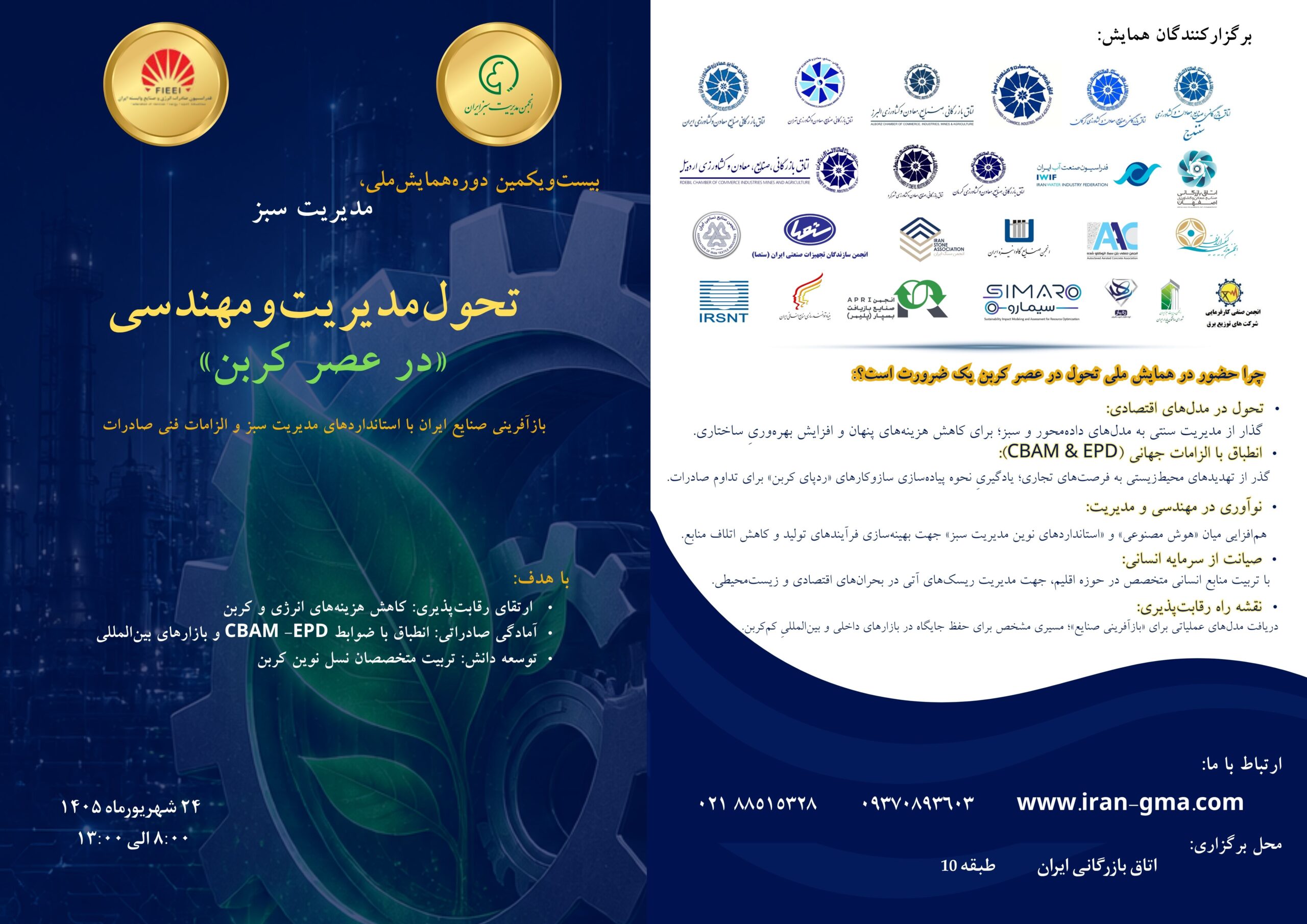
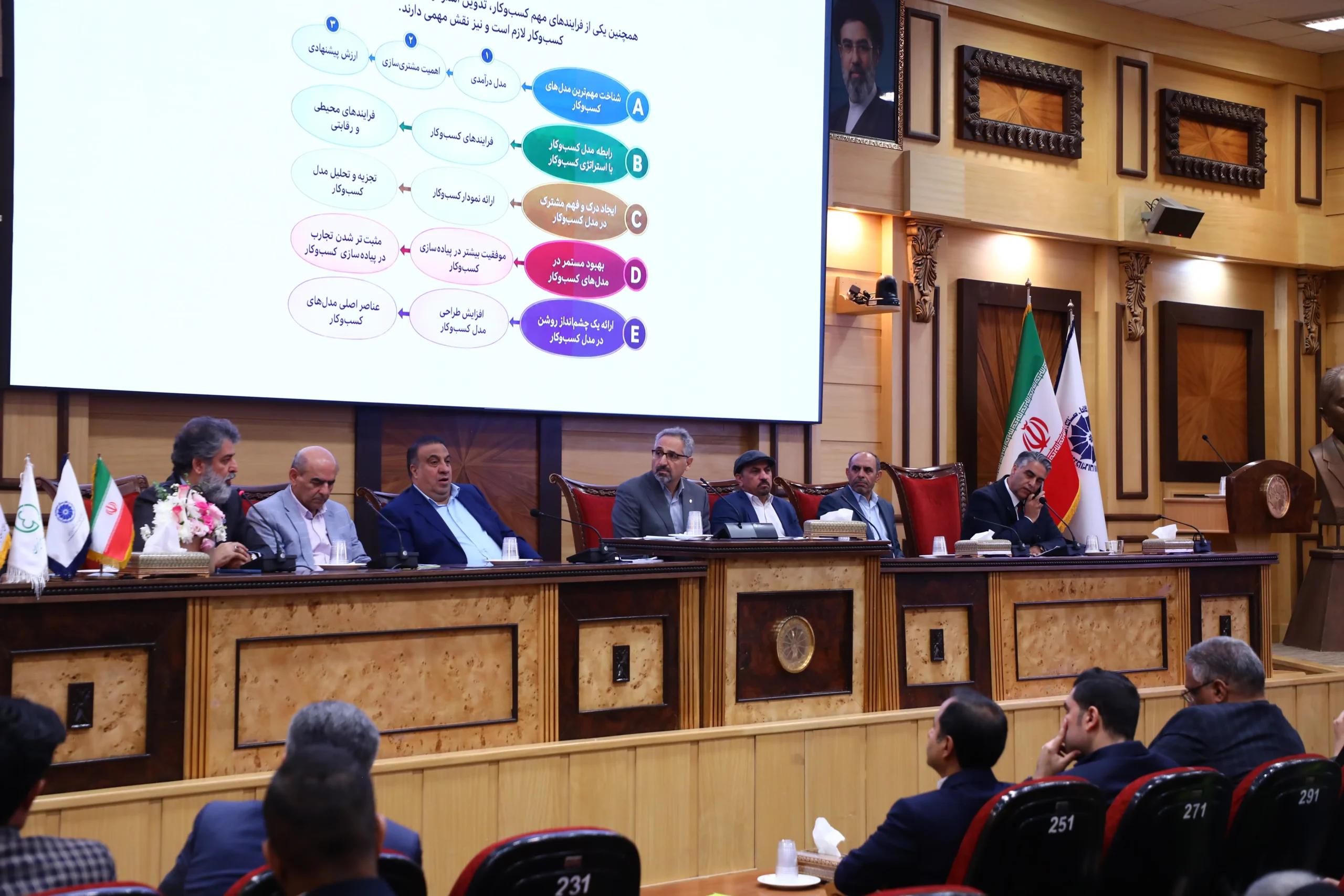
The Twenty-First National Conference «Transformation of Management and Engineering in the Carbon Age» Focusing on new developments in management, engineering, and green management, it was held on September 14, 1405, at the Iranian Chamber of Commerce, Industries, Mines, and Agriculture. An event that attempted to present a clearer picture of the changes ahead for organizations and industries in the face of carbon, environmental, and economic imperatives.
Why is the Carbon Age Important?
The carbon age is not just about reducing greenhouse gas emissions. Climate change, energy imbalances, resource constraints, new international market requirements, and the increasing importance of environmental data are changing the way organizations make decisions and manage. In these circumstances, issues such as carbon footprint, water footprint, energy, waste, cost, product life cycle, and carbon requirements have become more relevant than ever to the economic and management issues of organizations.
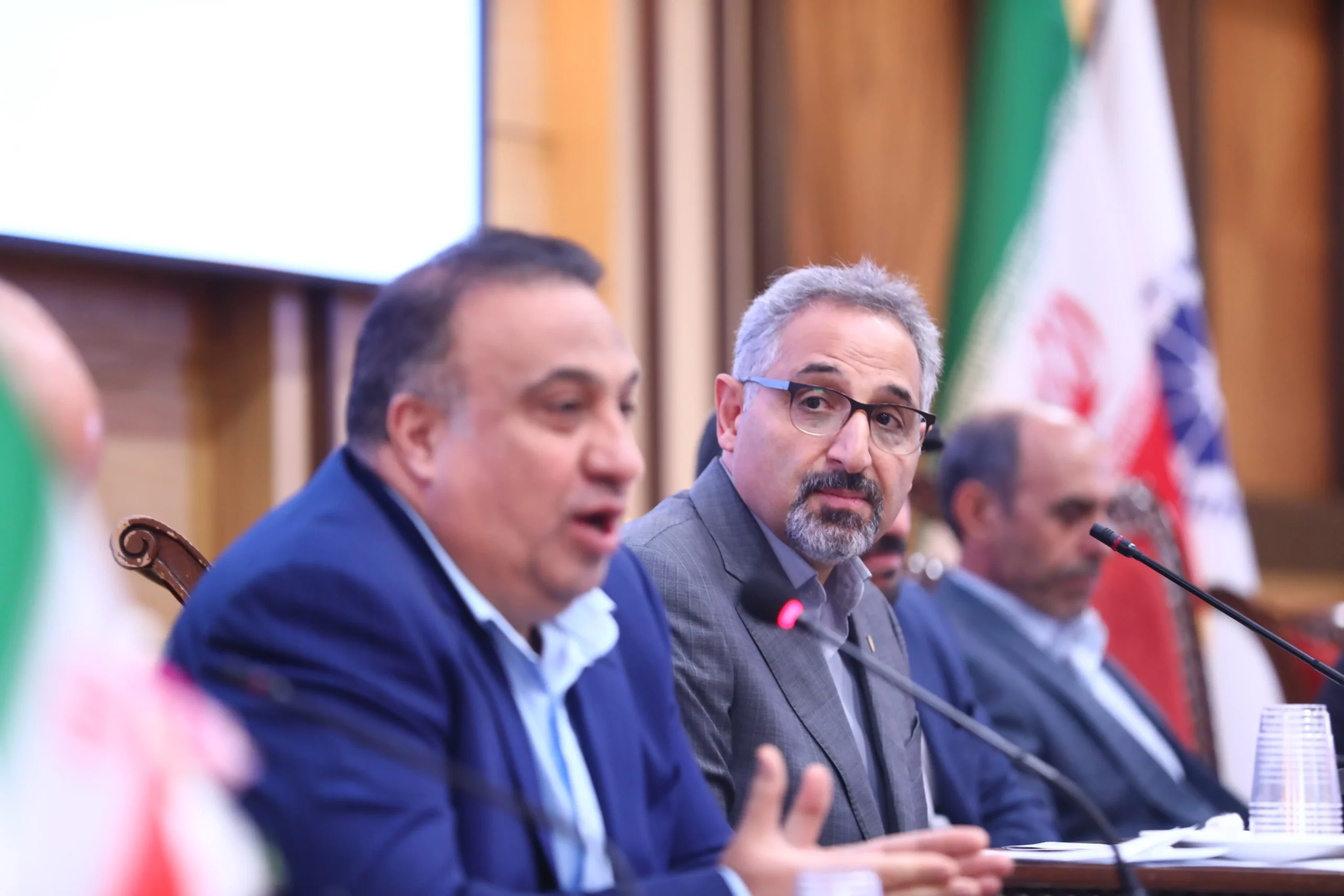
In this conference, an attempt was made to examine these issues from a practical and managerial perspective; So that green management is not seen solely as an environmental issue, but rather its connection with cost reduction, increased productivity, improved processes, and organizational competitiveness is also considered.
One of the important themes of this course was the NEXUS approach and the connection between carbon, energy, water, waste, and cost. This perspective emphasizes the interrelationship of resources and costs in the organization and attempts to follow the decision-making path from identifying resources and consumption, to calculating costs, examining environmental impacts, and defining improvement projects.
Experience of Leading Industries and Organizations
In another part of the program,
The topic of New Generation of Green Management and Engineering and Green Intelligence was also one of the other topics discussed at the conference; an approach in which humans, processes, data, technology, economics, and the environment are seen in relation to each other. In this view, environmental data is not just for reporting, but can be a basis for identifying waste points, defining corrective actions, and making management decisions.
In addition to the scientific and specialized content, an effort was made to make the conference itself as green as possible. For example, in the catering department, solutions such as the use of reusable cups and cloth napkins were used, and efforts were made to reduce resource consumption and waste in the layout and management of the conference space. The aim of these measures was to reduce waste and prevent unnecessary consumption of resources, and to show that green management can start with small, everyday decisions in the implementation of an event.
The issue of human capital and its role in the transformation of organizations was also considered. Moving towards organizations ready for the carbon age does not depend only on technology and equipment, and developing the knowledge and capabilities of managers and experts is also an important part of this path.
Other topics discussed include green hospitals, digital transformation, resource management, the use of data and technology, and the connection between the carbon age and the digital age; topics that show that green management is currently
The goal is to move from a limited area of expertise to a comprehensive approach to managing organizations and industries.
This conference ultimately sought to convey a specific message: The carbon age is not simply an era of reducing emissions; Rather, it is a period for reviewing the way organizations manage resources, costs, processes, and decision-making.
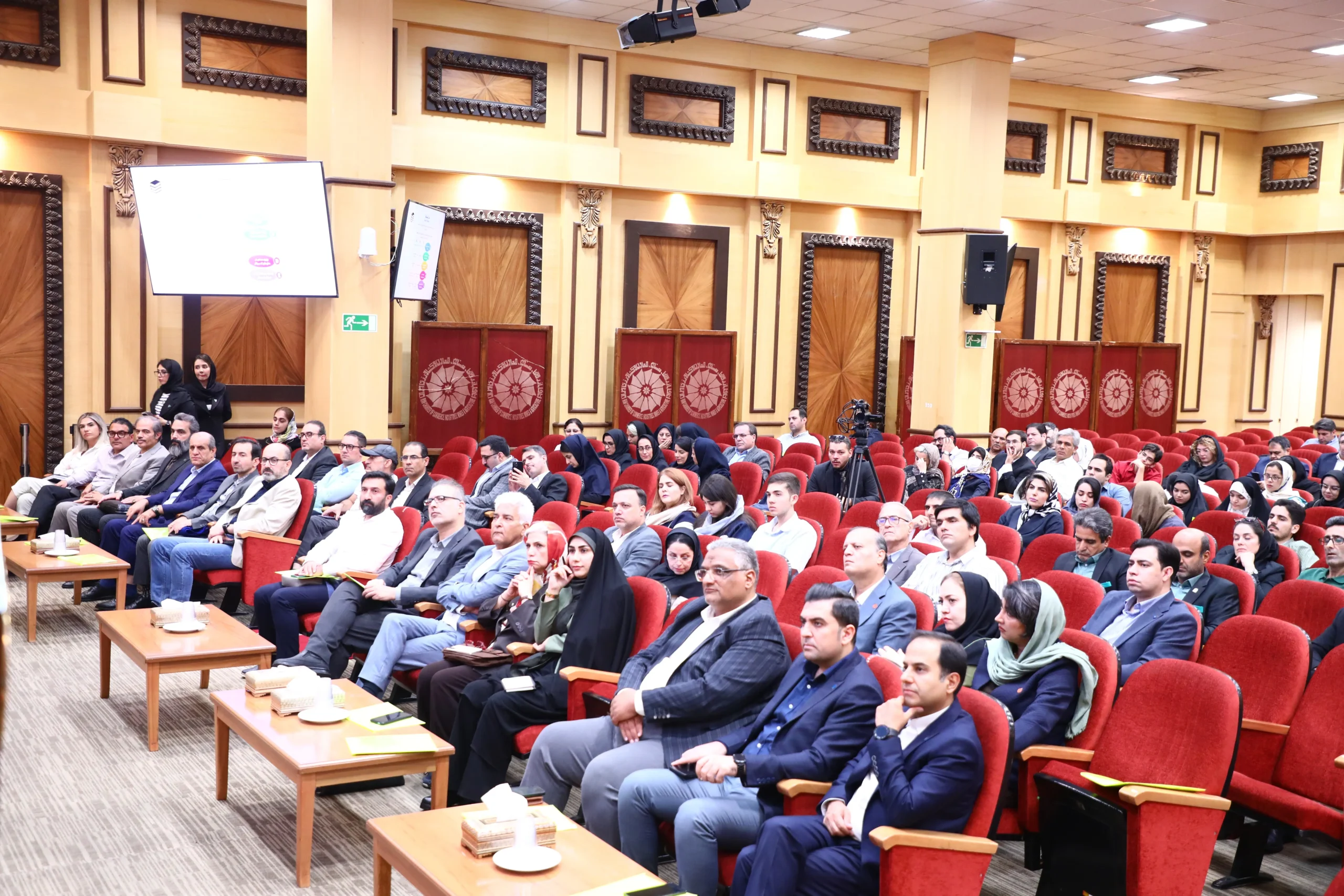
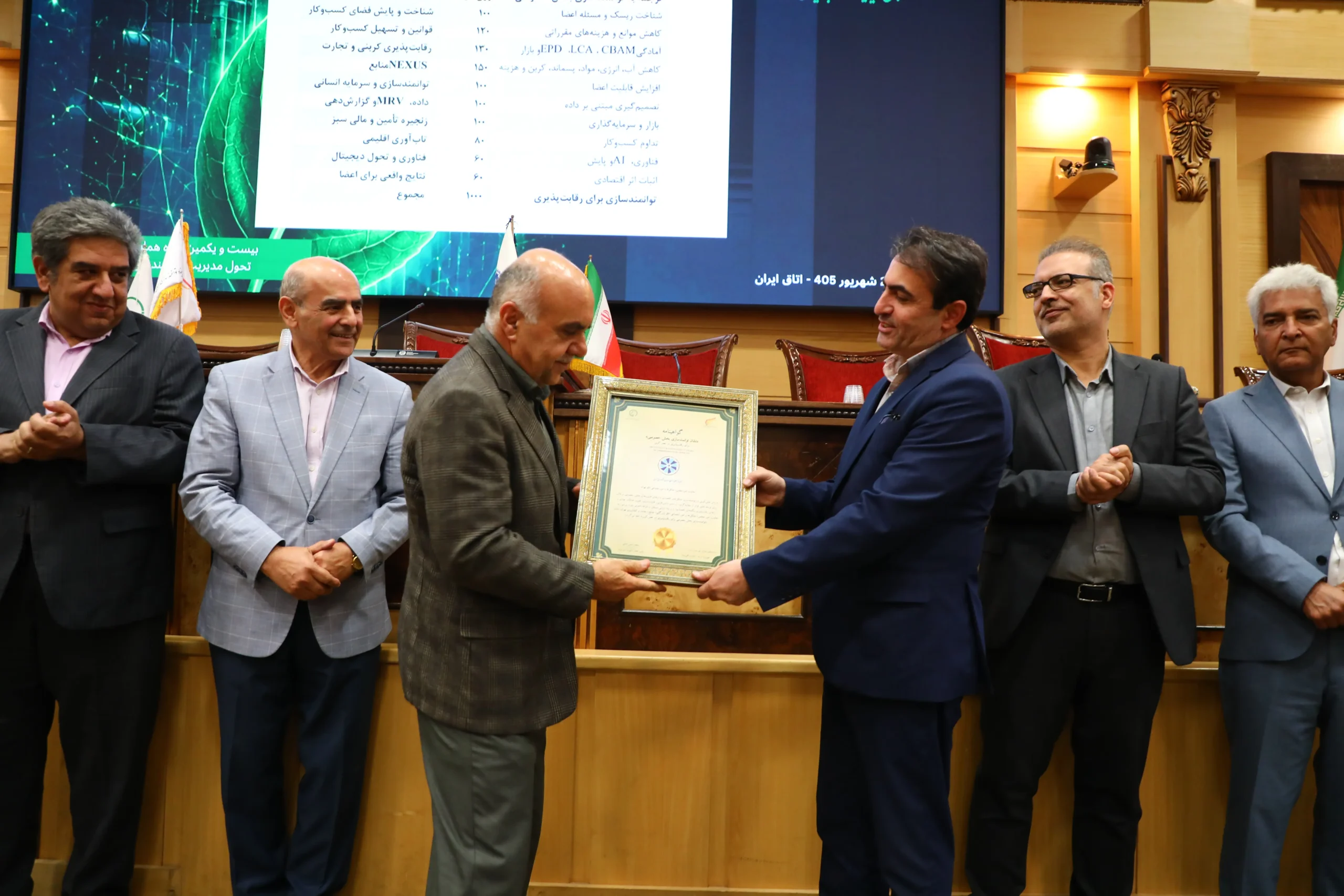
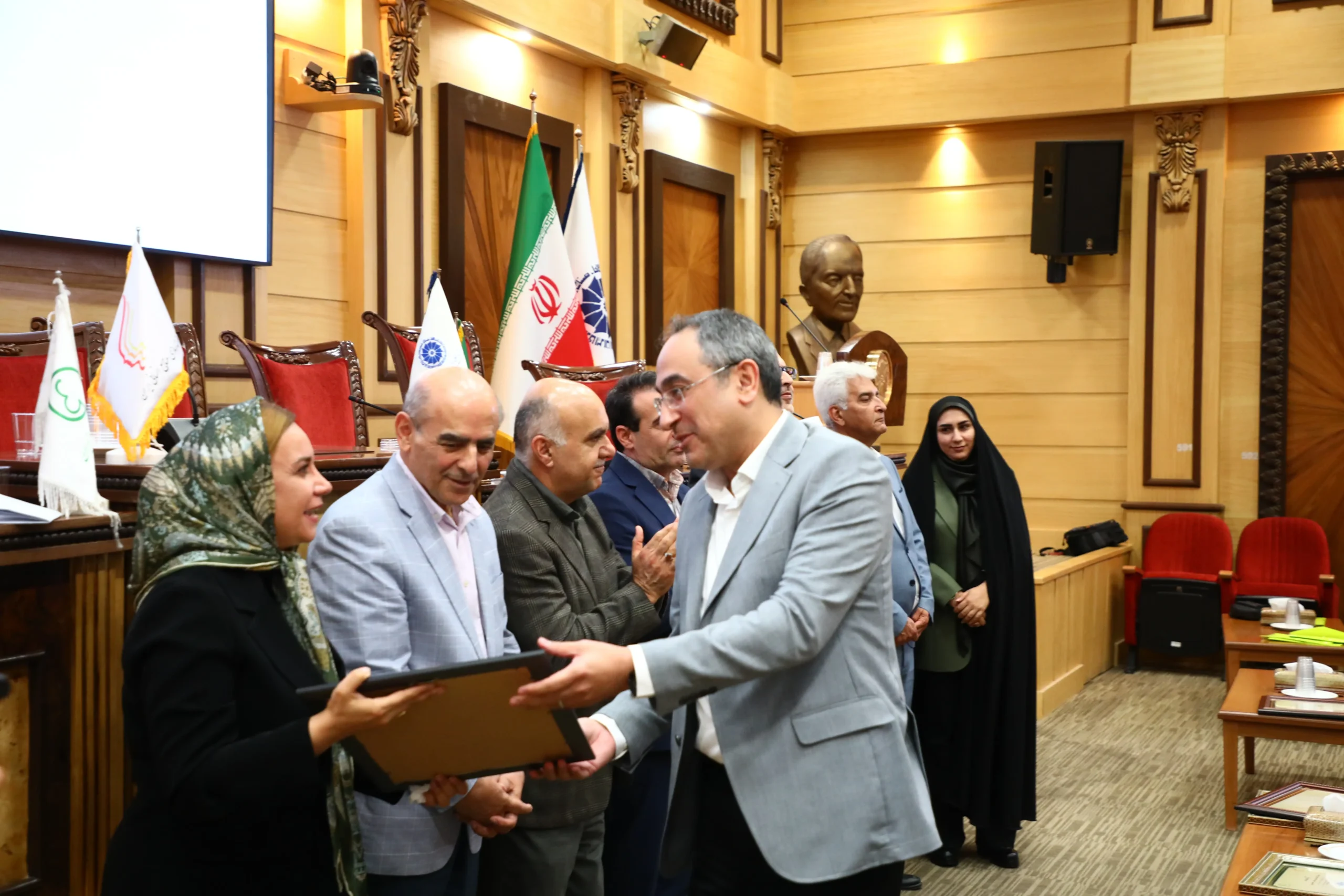
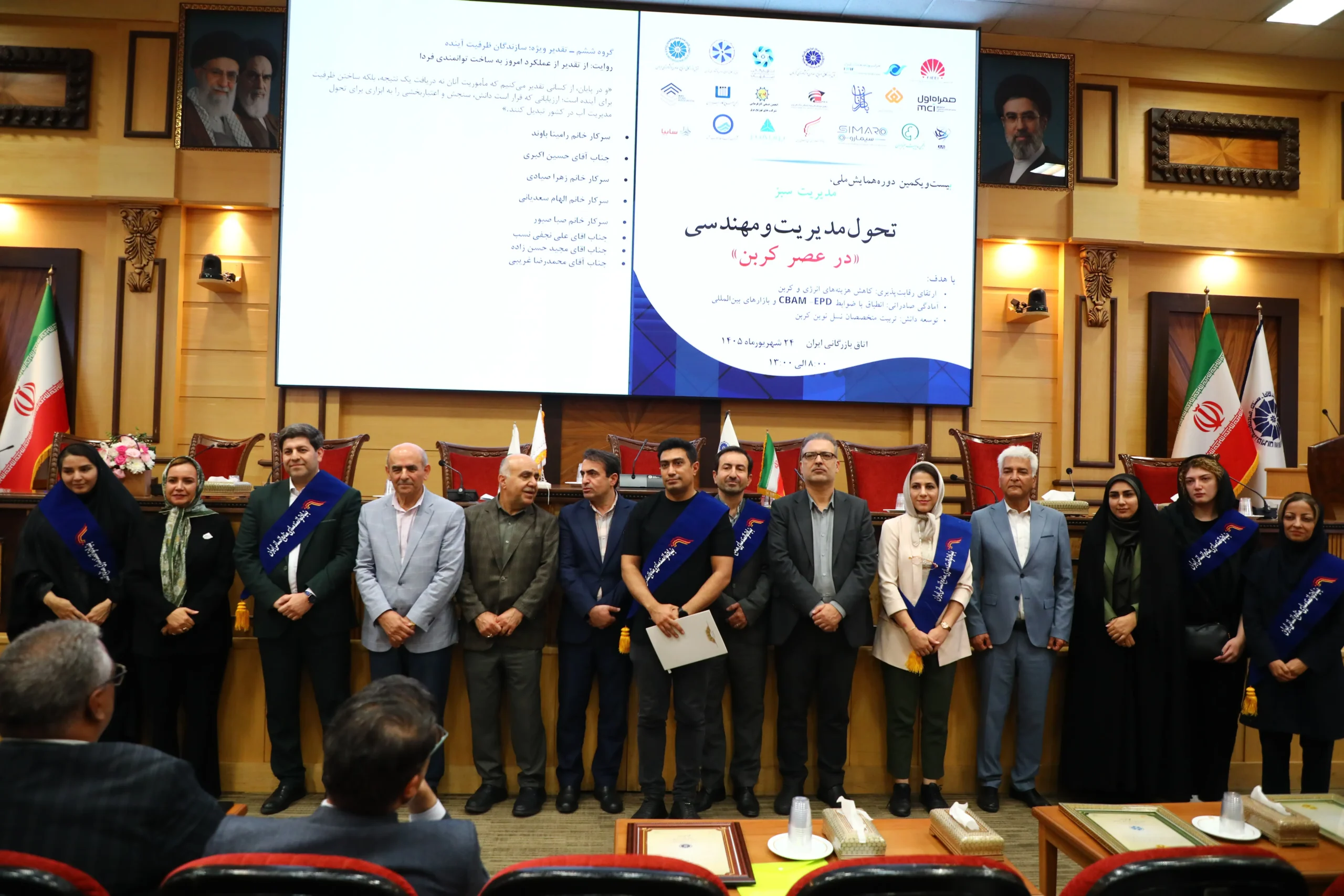
The full report of the 21st National Conference on Management and Engineering Transformation in the Carbon Age includes details of the program, scientific themes, experiences of organizations and industries, awards awarded, green measures taken in holding the conference, and the proposed path for continuing this movement.
To learn more about the content of this event, we suggest opening the full report file and reading it.