

The Role of Organizational People, Systems, and Technology in the Fourth Generation of Green Knowledge
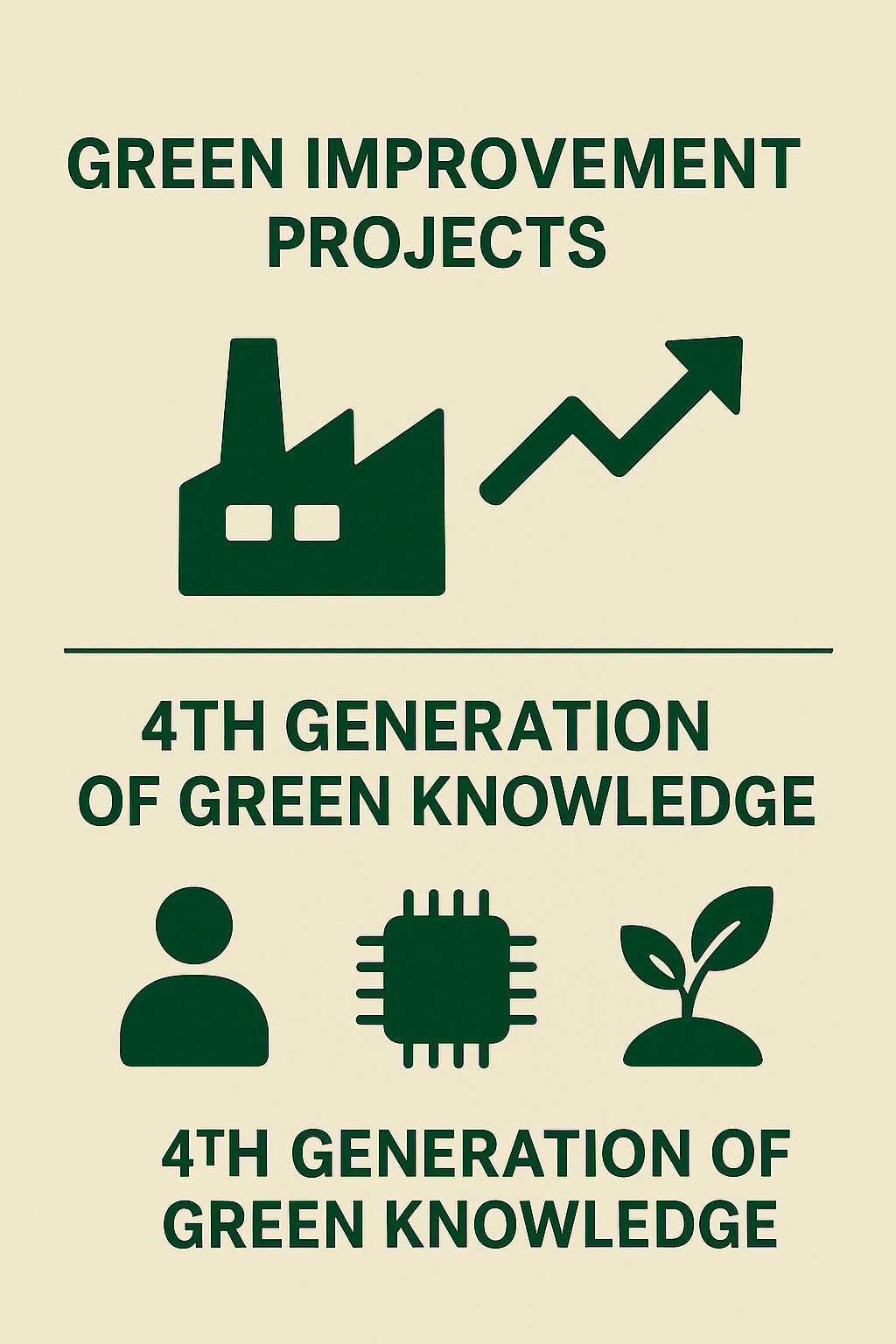
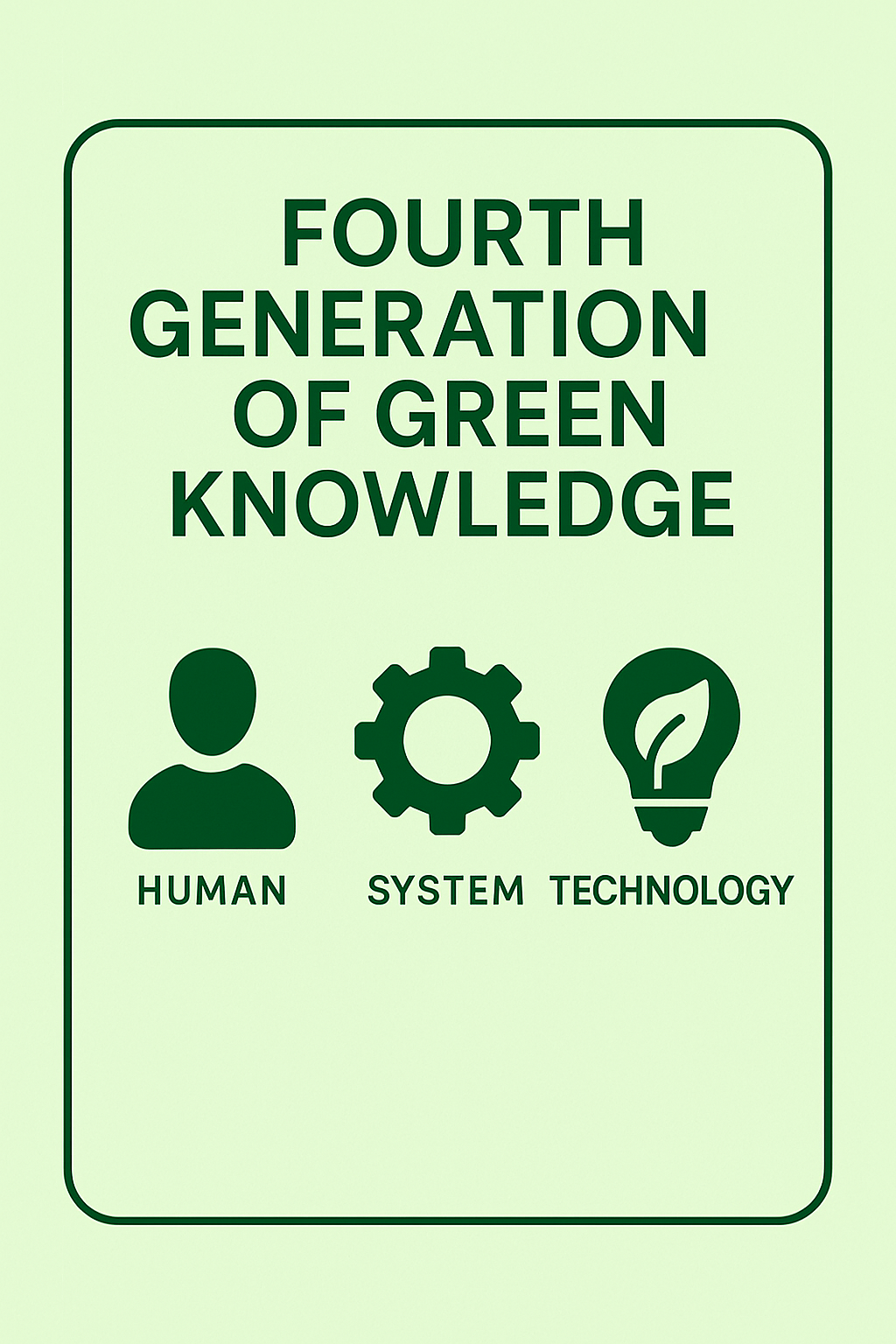
Green Improvement Projects within the framework of the Fourth Generation of Green Knowledge represent an advanced approach to resource management, pollution reduction, and productivity enhancement. These projects are designed to create a balance among economic performance, quality, and environmental protection. Their three main pillars are organizational people, management systems, and emerging technologies.
From the human perspective, employee awareness and participation play a critical role in implementing Green Improvement Projects. Empowering human resources, creating a green organizational culture, and developing change ambassadors are among the key steps in this process.
From the systems perspective, the use of energy and environmental management standards such as ISO 14001 and Energy Management Systems (EnMS), together with smart monitoring systems, enables organizations to achieve more precise resource control and reduce consumption.
From the technological perspective, the adoption of clean technologies, renewable energy, Artificial Intelligence, and the Internet of Things enables organizations to implement their Green Improvement Projects with greater efficiency and lower environmental impacts.
This Fourth Generation Green Knowledge approach is a powerful tool for improving organizational performance and strengthening sustainability and competitiveness.
The Fourth Generation of Green Knowledge, as an advanced stage of Green Management, focuses on creating a balance among economic efficiency, performance quality, and environmental protection. This innovative approach, based on three key pillars—organizational people, smart systems, and green technologies—provides the foundation for profound transformation across industries and organizations.
The Role of Organizational People in the Fourth Generation of Green Knowledge
People are the primary drivers of organizational change and play a central role in implementing Green Management. By increasing environmental awareness, providing specialized training, and developing a green organizational culture, organizations can embed environmentally responsible behaviors at all levels.
- Creating a green organizational culture through education, awareness, and motivation.
- Developing environmental responsibility programs within work processes.
- Appointing Green Ambassadors to lead and support environmental projects.
The Role of Systems in the Fourth Generation of Green Knowledge
In this approach, systems are recognized as smart and integrated structures for resource management and organizational performance optimization. Implementing standards such as ISO 14001 and Energy Management Systems (EnMS) enables organizations to monitor and control resource consumption more accurately.
- Using the Internet of Things (IoT) and data analytics for intelligent resource management.
- Implementing environmental reporting systems to analyze impacts and improve processes.
- Implementing Smart Grids to control and reduce energy consumption.
The Role of Technology in the Fourth Generation of Green Knowledge
Technology is a fundamental pillar of transformation in Green Management. Clean technologies, renewable energy, Artificial Intelligence, and Big Data are tools that enable organizations to reduce resource consumption, minimize environmental pollution, and improve productivity.
- Using Artificial Intelligence to predict and manage energy consumption.
- Using solar panels and wind turbines to generate clean energy.
- Analyzing consumption data to develop real-time green solutions.